Why Your Anxiety Medication Works Differently Each Day: The Hidden Factors Behind Inconsistent Relief

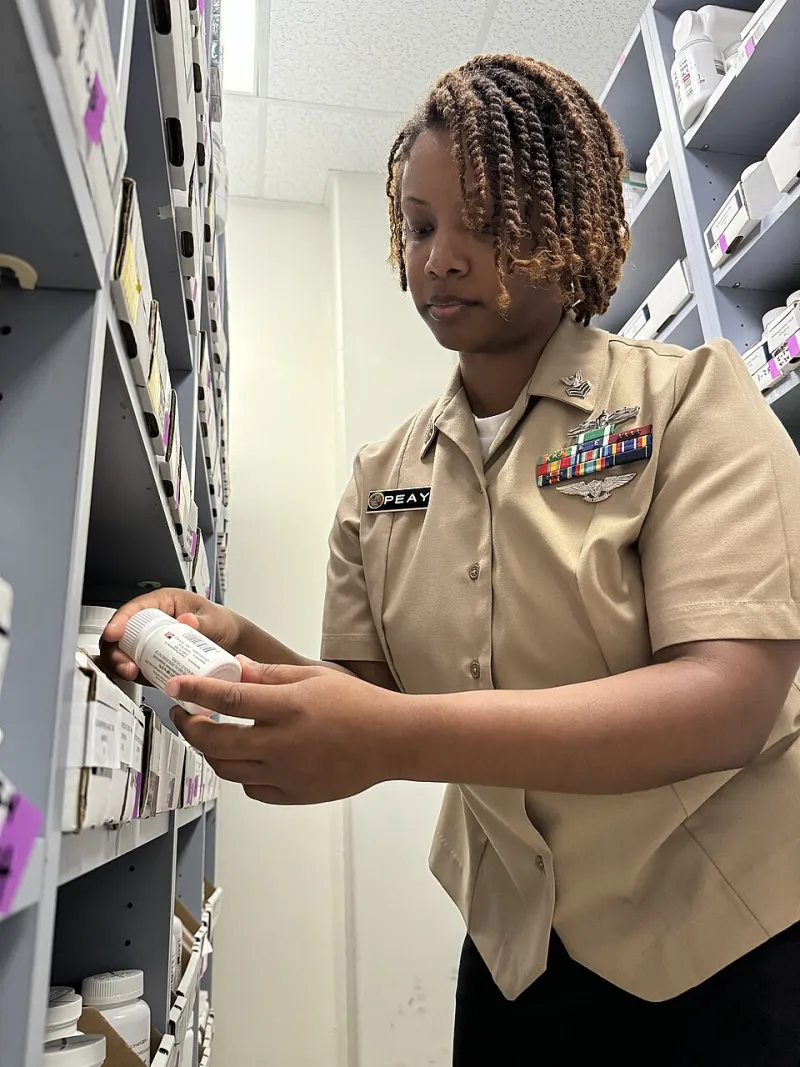
Photo: U.S. Air Force photo by null, Public domain, via Wikimedia Commons
For patients managing anxiety with prescription medication, few experiences are more frustrating than unpredictability. You take the same dose at the same time, yet some days your medication feels like a well-fitted tool and other days it seems almost inert. Before concluding that your treatment has failed, it is worth understanding the science behind why medication effectiveness fluctuates—and what, if anything, can be done about it.
Your Body Is Not a Static System
A common misconception about prescription medications is that they behave like a light switch: take the pill, achieve the effect. In reality, the human body is a constantly shifting biological environment. Blood chemistry, hormonal levels, hydration status, gut motility, and even body temperature change throughout the day and across different days. Each of these variables influences how efficiently your gastrointestinal tract absorbs a drug, how quickly your liver metabolizes it, and how receptive your brain's receptors are to its effects.
For anxiolytic medications—those prescribed specifically to reduce anxiety—this variability is particularly pronounced. The neurological pathways these drugs target are themselves sensitive to the very stressors that anxiety disorders produce, creating a feedback loop that can amplify or dampen a medication's apparent effectiveness.
The Role of Sleep Quality
One of the most consistent and underappreciated determinants of medication response is the quality of sleep you obtained the night before. Sleep deprivation alters the density and sensitivity of neurotransmitter receptors in the brain. For medications that work by modulating histamine receptors or gamma-aminobutyric acid (GABA) pathways—such as hydroxyzine—a poorly rested brain may present fewer available receptor sites or exhibit reduced receptor sensitivity.
Research also indicates that sleep loss elevates baseline cortisol levels, the body's primary stress hormone. Elevated cortisol can counteract the calming effects of anxiolytics, essentially working against the medication's intended mechanism. Patients who report that their medication "doesn't work" on certain days frequently identify disrupted sleep the night prior as a common thread.
Stress Load and the Neurochemical Threshold
Anxiety medications are designed to reduce the neurochemical activity associated with anxiety states—but they are not impervious to the magnitude of that activity. Think of it in terms of a threshold: your medication may be fully capable of managing a moderate anxiety load, but on days when acute stressors pile up—a difficult work situation, a family conflict, financial pressure—the neurochemical burden may exceed what your current dose can adequately address.
This is not a sign of medication failure. It is a reflection of the dose-response relationship that all pharmacological treatments operate within. When patients recognize this distinction, they are better positioned to have productive conversations with their prescribers about whether dose adjustments, supplemental strategies, or behavioral interventions are warranted during high-stress periods.
Food, Timing, and Gastrointestinal Absorption
What you eat—and when you eat it—can meaningfully alter the absorption profile of your medication. High-fat meals, for example, can delay gastric emptying, slowing the rate at which a drug enters the bloodstream. Grapefruit and grapefruit juice are well-documented inhibitors of cytochrome P450 enzymes in the liver, which are responsible for metabolizing numerous medications. Consuming grapefruit can cause drug levels to rise unpredictably, while certain other foods or supplements may accelerate metabolism and reduce effective concentrations.
Acidic foods and beverages can also affect the dissolution rate of some oral medications. Patients who take their medication inconsistently in relation to meals—sometimes with food, sometimes without—may inadvertently introduce variability into their plasma drug levels without realizing it. Establishing a consistent routine around medication timing and meal composition is a straightforward step that many patients overlook.
Circadian Rhythms and the Body Clock
The human body operates on a roughly 24-hour internal clock known as the circadian rhythm, which governs hormone secretion, immune function, and even the expression of drug-metabolizing enzymes. Emerging pharmacological research in the field of chronopharmacology suggests that the time of day at which a medication is administered can influence both its efficacy and its side effect profile.
For some anxiolytics, morning administration aligns better with the natural cortisol peak that occurs in the early hours, potentially allowing the medication to work in concert with the body's regulatory systems rather than against them. For others—particularly those with sedating properties—evening dosing may be more appropriate. Discussing dosing timing with your prescriber, rather than defaulting to the most convenient schedule, is worth exploring if you notice consistent patterns in when your medication feels most or least effective.
Hydration and General Physical Health
Dehydration reduces blood volume, which can affect drug distribution throughout the body. Even mild dehydration—common among adults who do not consciously monitor fluid intake—can alter how medications are transported to target tissues. Similarly, acute illnesses, particularly those involving gastrointestinal symptoms, can dramatically impair absorption. Patients sometimes report that their medication seemed ineffective during or after a bout of illness without connecting the two events.
When to Talk to Your Prescriber
Noticing variability in your medication's effectiveness is not inherently cause for alarm, but it is information worth documenting and discussing. Consider keeping a brief daily log that tracks your dose timing, sleep duration, stress level, food intake, and perceived medication effectiveness. Patterns in this data can be genuinely useful during a clinical appointment.
Specifically, you should consult your prescriber if:
- Inconsistent effectiveness is becoming the norm rather than the exception
- You are experiencing breakthrough anxiety on most days, regardless of circumstances
- You suspect a specific food or supplement may be interfering with your medication
- You are interested in exploring whether a different dosing time might improve consistency
Your prescriber may recommend adjusting when you take your medication, modifying the dose, or evaluating whether a different formulation or drug class would better suit your physiology and lifestyle.
The Takeaway
Medication unpredictability is rarely a sign that treatment has failed—it is more often a signal that the treatment requires refinement. By understanding the physiological and environmental variables at play, patients can shift from passive frustration to active participation in optimizing their care. Consistent habits, thoughtful documentation, and open communication with your prescriber are the most effective tools available for transforming an inconsistent treatment experience into a reliable one.