When Medications Collide: A Patient's Guide to Identifying and Preventing Dangerous Drug Interactions
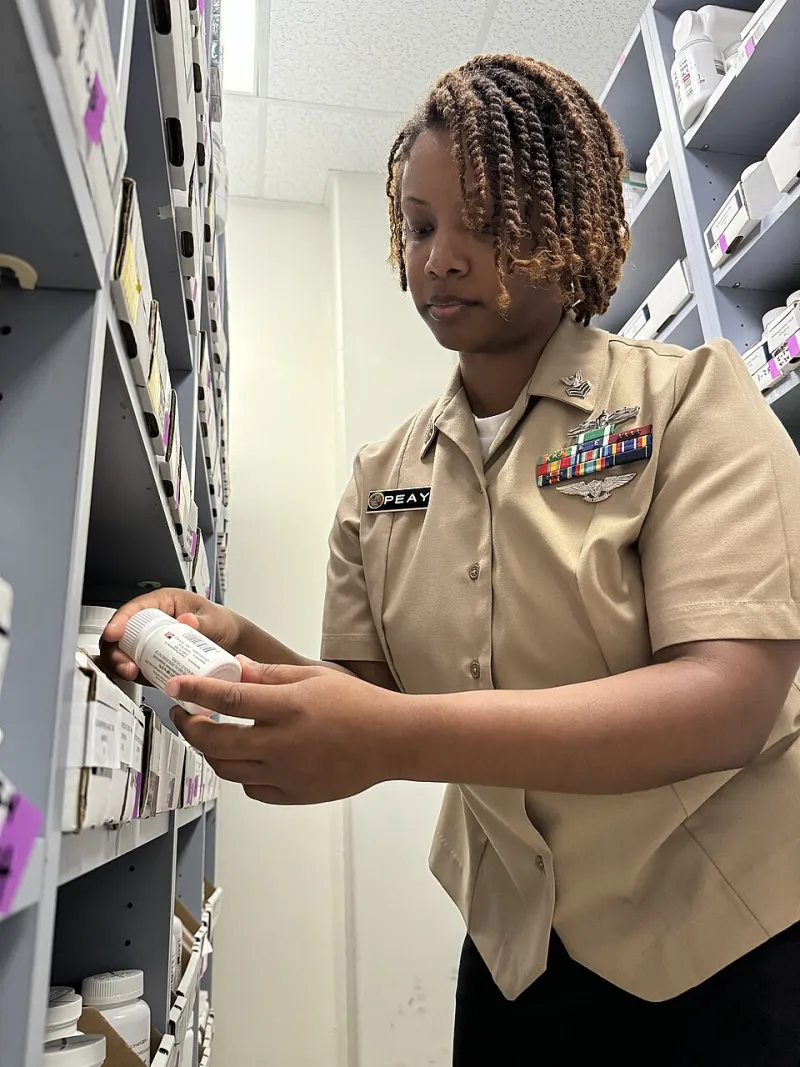
Photo: U.S. Navy NMRTC by Emily McCamy, Public domain, via Wikimedia Commons
Every year, tens of thousands of Americans are hospitalized due to adverse drug interactions—a statistic that becomes even more troubling when you consider how many of these events were preventable. For patients managing chronic conditions, taking multiple prescriptions, or supplementing with over-the-counter products, the risk landscape is more complex than most people realize. Understanding how substances interact within the body is not merely a clinical concern; it is a fundamental aspect of informed, safe medication use.
What Is a Drug Interaction, and Why Does It Matter?
A drug interaction occurs when one substance alters the way another behaves in the body. This alteration can diminish a medication's effectiveness, amplify its potency to dangerous levels, or produce entirely new effects that neither drug would cause on its own. Interactions are not limited to prescription-to-prescription scenarios. Over-the-counter medications, herbal supplements, vitamins, and even certain foods can all serve as catalysts for serious complications.
Consider a straightforward example: warfarin, a commonly prescribed blood thinner, is notoriously sensitive to interactions. Vitamin K found in leafy greens can reduce its anticoagulant effect, while aspirin—available without a prescription at any pharmacy—can dramatically increase bleeding risk when taken alongside it. Neither substance alone seems alarming to most patients, but together, the combination demands careful monitoring.
The Four Primary Categories of Drug Interactions
Understanding the mechanisms behind interactions helps patients recognize risk patterns more readily.
Pharmacokinetic interactions occur when one substance changes how the body absorbs, distributes, metabolizes, or eliminates another. A classic example involves grapefruit juice, which inhibits an enzyme in the intestinal wall responsible for breaking down dozens of medications, including certain statins, calcium channel blockers, and immunosuppressants. The result can be dramatically elevated blood concentrations of the affected drug.
Pharmacodynamic interactions happen when two substances produce additive, synergistic, or antagonistic effects on the same biological target. Combining hydroxyzine with other central nervous system depressants—such as opioids, benzodiazepines, or alcohol—exemplifies an additive interaction, where sedation and respiratory depression risks multiply beyond what either substance would cause individually.
Drug-food interactions extend well beyond grapefruit. Tyramine-rich foods such as aged cheeses and cured meats can trigger dangerous blood pressure surges in patients taking monoamine oxidase inhibitors (MAOIs). Calcium in dairy products can bind to certain antibiotics in the gastrointestinal tract, preventing adequate absorption.
Drug-supplement interactions are frequently overlooked because supplements are perceived as inherently safe. St. John's Wort, one of the most widely used herbal products in the United States, is a potent inducer of liver enzymes and can reduce blood levels of oral contraceptives, antiretrovirals, and antidepressants to subtherapeutic ranges.
Real-World Cases: When Missed Interactions Caused Serious Harm
The consequences of unrecognized interactions are not hypothetical. In documented clinical cases, patients have experienced serotonin syndrome—a potentially life-threatening condition—after combining a selective serotonin reuptake inhibitor (SSRI) with tramadol, a pain medication that also affects serotonin pathways. The prescribing physicians had not been informed that both medications were in use simultaneously.
In another well-documented pattern, elderly patients prescribed both digoxin for heart failure and clarithromycin for a respiratory infection developed digoxin toxicity within days, because clarithromycin inhibits the protein responsible for clearing digoxin from the body. Neither prescriber had a complete picture of the patient's medication list.
These cases share a common thread: fragmented care and incomplete medication histories. When specialists, primary care physicians, urgent care providers, and pharmacists operate in informational silos, patients bear the risk.
Practical Tools Every Patient Should Use
Fortunately, patients have access to resources that can significantly reduce interaction risk.
Maintain a comprehensive medication list. Document every prescription, over-the-counter product, vitamin, supplement, and herbal remedy you take—including dosages and frequency. Share this list at every medical appointment, including dental visits and urgent care encounters.
Use a single pharmacy whenever possible. Pharmacies maintain medication profiles that allow pharmacists to screen for interactions automatically. Filling prescriptions at multiple locations defeats this safeguard entirely.
Leverage free interaction-checking tools. Resources such as the FDA's drug interaction database, Drugs.com's interaction checker, and Medscape's tool allow patients to cross-reference their medications before a new one is added. These tools are not substitutes for professional consultation, but they are valuable first steps.
Ask your pharmacist directly. Pharmacists are among the most accessible and underutilized healthcare resources in the United States. When picking up a new prescription, ask: Does this medication interact with anything else I'm currently taking? Are there foods, supplements, or beverages I should avoid? Should I adjust the timing of any of my other medications?
Questions to Ask Before Starting a New Medication
Preparing specific questions before a pharmacy or physician visit transforms a routine transaction into a meaningful safety checkpoint. Consider asking:
- Are there known interactions between this medication and my current prescriptions?
- Does this drug interact with any common supplements, such as fish oil, melatonin, or vitamin D?
- Are there foods or drinks I should avoid while taking this medication?
- How will I know if an interaction is occurring?
- Should I adjust the timing of my other medications relative to this new one?
The Responsibility Patients Carry—and How to Carry It Well
Healthcare providers operate under significant time constraints, and no single clinician has a complete view of a patient's entire medication regimen unless that patient provides it. This reality places a meaningful share of medication safety responsibility on informed, engaged patients.
Being your own medication safety advocate does not require a medical degree. It requires diligence, communication, and a willingness to ask questions that might feel inconvenient in the moment but could prevent a serious adverse event. When a new prescription is added, when an over-the-counter remedy is considered, or when a supplement is introduced, that is the moment to pause and verify.
Drug interactions are not inevitable. With the right information and a proactive approach, the majority of serious interaction events are entirely avoidable.