The Generic Drug Debate: What the Science Actually Says About Efficacy, Savings, and Insurance Coverage

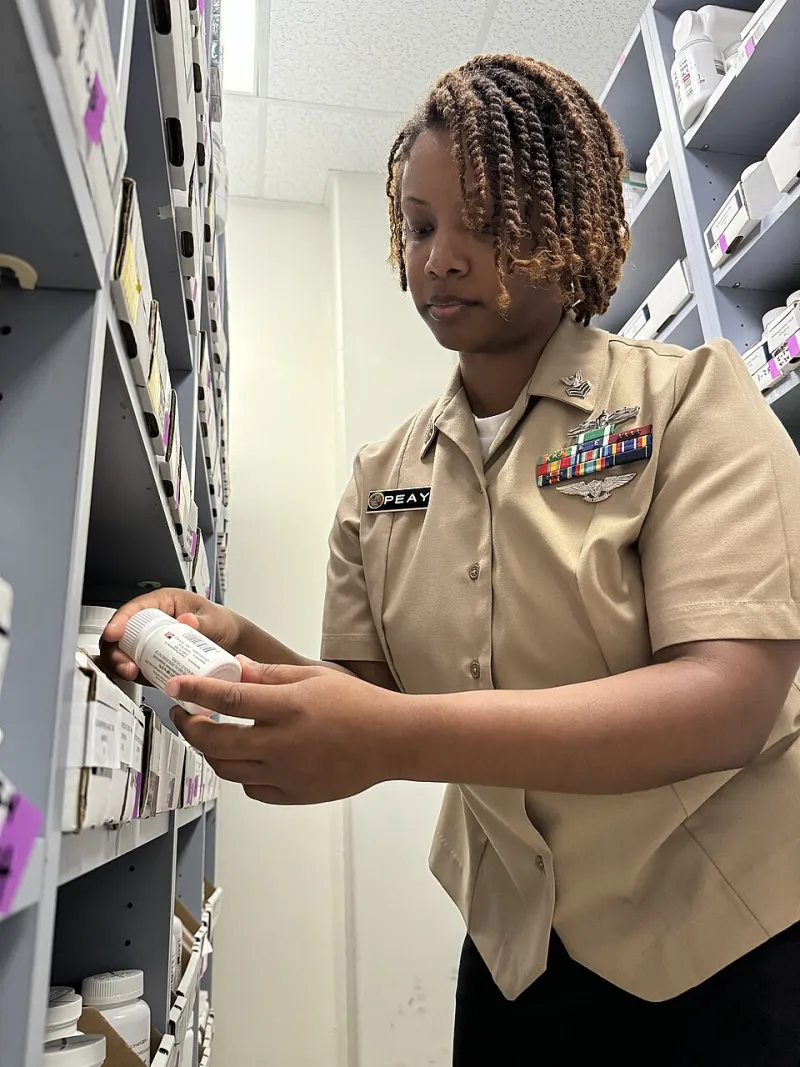
Photo: TGP Pharma Inc., Public domain, via Wikimedia Commons
Walk into any American pharmacy and you will encounter it: the moment of hesitation at the counter when a pharmacist offers a generic substitute for a brand-name prescription. Some patients accept without a second thought. Others decline instinctively, convinced that the lower price signals inferior quality. That instinct, while understandable, is largely at odds with decades of pharmaceutical science and federal regulatory standards.
The generic versus brand-name debate is one of the most persistent sources of confusion in patient healthcare decision-making. Resolving it requires examining not just the chemistry involved, but also the regulatory framework, the economics of drug development, and the often-opaque incentive structures built into American insurance plans.
How Generic Medications Are Approved: The FDA's Bioequivalence Standard
The foundation of the generic drug system in the United States is the concept of bioequivalence. When a pharmaceutical manufacturer applies for FDA approval of a generic drug, it must demonstrate that the product delivers the same active ingredient in the same amount to the same location in the body at essentially the same rate as the brand-name reference drug.
Specifically, the FDA requires that a generic drug's rate and extent of absorption fall within 80 to 125 percent of the brand-name drug's measurements—a range that may sound broad but is, in practice, quite narrow. Studies have shown that the average difference between brand-name and FDA-approved generic drugs is less than four percent. That margin is clinically insignificant for the vast majority of medications.
Generic manufacturers are not required to repeat clinical trials proving that the drug treats a given condition—that work was already completed during the brand-name drug's approval process. What they must prove is pharmaceutical equivalence: same active ingredient, same strength, same dosage form, and same route of administration.
Why Generics Look Different—and Why That's Irrelevant
One of the most common sources of patient skepticism is appearance. A generic tablet may be a different color, shape, or size than the brand-name version a patient has taken for years. This is not a cause for concern; it is a consequence of trademark law. Brand-name manufacturers hold trademarks over the distinctive appearance of their products, which means generic manufacturers must differentiate their pills visually.
The inactive ingredients—called excipients—may also differ. These include binders, fillers, coatings, and dyes that affect the physical characteristics of a pill but not its therapeutic action. For the overwhelming majority of patients, these differences are irrelevant to treatment outcomes.
However, a small subset of patients does experience meaningful differences with certain narrow therapeutic index drugs—medications where even minor fluctuations in blood concentration can have clinical consequences. Thyroid hormone replacements, certain seizure medications, and immunosuppressants fall into this category. For these specific drug classes, some physicians recommend that patients remain on a consistent formulation—whether brand or a specific generic manufacturer—rather than switching between products. This is a nuanced exception, not a general rule, and should be discussed with a prescribing physician.
The Economics Behind the Brand-Name Premium
Understanding why brand-name drugs cost dramatically more than their generic counterparts requires a brief look at pharmaceutical economics. Developing a new drug from initial research through FDA approval costs hundreds of millions to over a billion dollars and typically spans more than a decade. Patent protection and market exclusivity periods—generally lasting around 20 years from the patent filing date—allow brand-name manufacturers to recoup that investment before generic competition enters the market.
Once exclusivity expires, generic manufacturers can produce the same active compound at a fraction of the cost because they bear none of the original research and development burden. The result is that generic drugs typically cost 80 to 85 percent less than their brand-name equivalents. In 2023, generic medications accounted for approximately 90 percent of all prescriptions dispensed in the United States, generating an estimated $400 billion in annual savings for the healthcare system.
How Insurance Plans Steer Patient Choices
American health insurance plans use a tiered formulary system to influence—and in some cases, effectively dictate—which medications patients choose. Generics are typically placed on Tier 1, the lowest cost-sharing tier, while brand-name drugs occupy higher tiers with substantially larger copayments or coinsurance requirements.
This structure creates a financial incentive for patients to accept generic substitutions. However, the picture is occasionally more complicated. Some insurance plans have negotiated arrangements with brand-name manufacturers that result in lower net costs for the insurer when patients use specific branded products—and in rare cases, a brand-name drug may actually carry a lower out-of-pocket cost than its generic equivalent on a particular plan's formulary. This counterintuitive scenario, while uncommon, underscores the importance of reviewing your specific plan's drug coverage tier list, often called a formulary, before assuming a generic is always the less expensive option.
Patients can access their insurer's formulary through their member portal or by calling the member services number on their insurance card. Asking your pharmacist to run a price comparison between the brand and available generics at the point of dispensing is also a straightforward and often overlooked step.
Addressing the Skepticism Directly
Patient hesitation about generics is not entirely without basis in lived experience. Some individuals genuinely notice differences when switching between formulations, particularly for medications with narrow therapeutic windows or for those who are sensitive to specific inactive ingredients. These experiences are real and deserve to be taken seriously in clinical conversations.
The appropriate response, however, is not blanket avoidance of generics—it is informed, individualized decision-making. If you have experienced a change in how you feel after switching to a generic, document it and discuss it with your prescribing physician. Ask whether your medication falls into a narrow therapeutic index category. Request consistency in your generic manufacturer if your pharmacy can accommodate it.
For the vast majority of medications and patients, the FDA's bioequivalence standards provide a robust assurance of therapeutic equivalence. Choosing a generic is not a compromise—it is a scientifically sound decision that can meaningfully reduce financial burden without sacrificing treatment quality.
Making the Decision That Is Right for You
The goal of medication management is therapeutic effectiveness at a sustainable cost. For most patients, FDA-approved generics achieve both objectives. For a small number of patients taking specific high-sensitivity medications, closer monitoring during any transition is warranted.
Armed with an understanding of bioequivalence, formulary structures, and the genuine exceptions where caution applies, patients are well positioned to have productive conversations with their pharmacists and physicians—and to make choices grounded in evidence rather than assumption.