What You Eat and Drink Before Your Dose May Matter More Than You Think
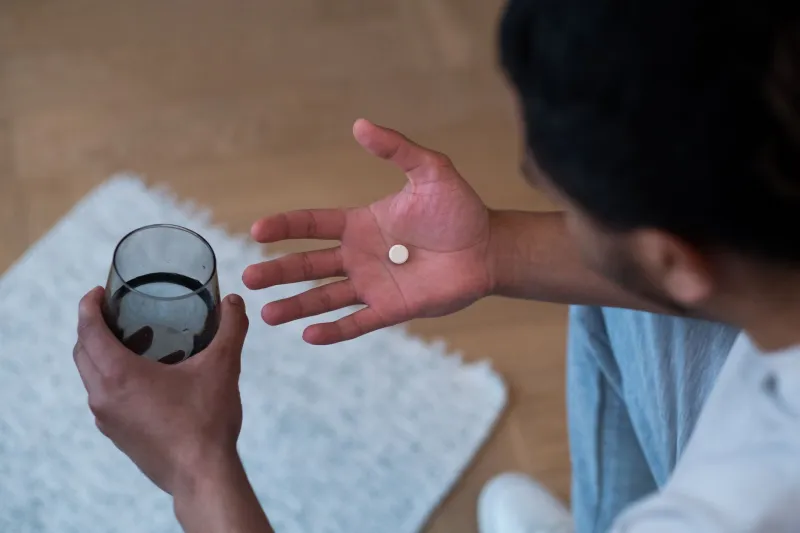
For most people managing anxiety with prescription medication, adherence feels straightforward: take the pill, wait for relief. Yet a surprising number of patients who follow their dosing schedule precisely still report inconsistent results — relief some days, frustrating gaps in coverage on others. When clinicians investigate these patterns, one of the most commonly overlooked culprits is not the medication itself, but what the patient consumed alongside it.
Food, caffeine, and alcohol are not inert bystanders in the absorption process. Each interacts with your gastrointestinal tract, liver enzymes, and circulatory system in ways that can accelerate, delay, or partially block the delivery of active drug compounds to the sites where they are needed. For patients taking hydroxyzine or similar anxiolytics, these interactions deserve serious attention.
The Basics of Drug Absorption: Why Timing Is Chemistry
When you swallow an oral medication, it does not travel directly to your brain or target receptors. It passes through your stomach, enters the small intestine, crosses the intestinal lining into the portal bloodstream, and then moves through the liver before reaching systemic circulation — a process pharmacologists call first-pass metabolism. The speed and completeness of this journey determine what is known as bioavailability: the fraction of the dose that actually becomes active in your body.
Anything that alters gastrointestinal motility, stomach acidity, or liver enzyme activity has the potential to shift this process. A full stomach slows gastric emptying, which can delay when a drug reaches the small intestine. Certain compounds — including caffeine and alcohol — interfere with metabolic enzymes in the liver, changing the rate at which drugs are broken down or converted into active forms.
For a medication like hydroxyzine, which is metabolized primarily through the liver into its active metabolite cetirizine, these variables are not trivial. They can shift the timing of peak plasma concentration — the moment when the drug is most active in your system — by thirty minutes to over an hour, which for an anxiolytic taken before a stressful event or at bedtime can make a meaningful clinical difference.
Food: Friend, Foe, or Complicated Companion?
The relationship between food and medication absorption is nuanced. For some drugs, taking a dose with food reduces stomach irritation and improves tolerability. For others, certain meals compete for the same absorption pathways or slow drug transit enough to blunt the medication's onset.
High-fat meals are particularly worth noting. Research across multiple drug classes has demonstrated that fatty foods can significantly delay gastric emptying, which means a dose taken right after a cheeseburger or a heavy dinner may take considerably longer to reach peak effectiveness than the same dose taken on an empty stomach. For patients who rely on their medication working within a predictable window — say, before a demanding work presentation or before sleep — this delay can translate directly into inadequate symptom control at the moment it is most needed.
High-fiber foods present a different concern. Dietary fiber can bind to certain drug compounds in the gut, reducing the total amount that is absorbed. This is not a dramatic effect for most anxiolytics, but it is a variable worth acknowledging, particularly for patients who are already at the lower end of a therapeutic dose range.
The practical takeaway is not to stop eating before every dose, but to be consistent. Taking your medication under similar dietary conditions each day — whether that means always with a light snack or always one hour before a meal — helps stabilize the pharmacokinetic pattern and makes your treatment more predictable over time.
Caffeine: The Stimulant That Quietly Undermines Anxiolytics
Coffee is a near-universal part of American daily life, and many patients give little thought to the cup they drink alongside or shortly before their anxiety medication. But caffeine is a pharmacologically active compound, and its effects on the central nervous system are largely opposed to those of anxiolytic medications.
Caffeine works primarily by blocking adenosine receptors in the brain — the receptors responsible for promoting calm and drowsiness. Hydroxyzine and related antihistaminergic anxiolytics work partly by dampening CNS activity. Consuming caffeine close to your dose does not cancel out the medication in a simple arithmetic sense, but it does introduce a competing physiological signal. For patients whose anxiety is already difficult to manage, this pharmacodynamic opposition can translate into reduced perceived effectiveness, even when the drug has been absorbed normally.
Beyond receptor competition, caffeine can influence gastrointestinal motility. In some individuals it accelerates gut transit, which may shorten the absorption window for oral medications. In others, particularly those sensitive to caffeine's stimulant effects, it increases baseline physiological arousal — elevated heart rate, heightened alertness, amplified stress response — which sets a higher threshold for the medication to overcome.
Patients who find their morning dose less effective than evening doses may want to honestly assess their caffeine consumption patterns before assuming the medication is failing.
Alcohol: The Interaction Patients Most Often Underestimate
Alcohol's interaction with anxiolytic medications is well-documented in prescribing literature, yet it remains one of the most underreported behaviors in clinical settings. Patients frequently omit mentioning a glass of wine at dinner because it does not feel like "drinking," particularly if they consider themselves moderate consumers.
The concern here operates on two levels. First, alcohol is itself a CNS depressant, and combining it with a sedating anxiolytic like hydroxyzine can produce additive or even synergistic depression of the central nervous system. This can manifest as excessive drowsiness, impaired coordination, slowed reaction time, and in higher quantities, dangerous respiratory depression. The US Food and Drug Administration specifically warns against combining hydroxyzine with alcohol for this reason.
Second, alcohol affects liver enzyme activity — particularly the cytochrome P450 enzyme system that metabolizes many medications. Acute alcohol consumption can temporarily inhibit these enzymes, causing drug plasma levels to rise higher than expected. Chronic heavy drinking, by contrast, tends to induce these enzymes, potentially accelerating drug breakdown and reducing efficacy. Neither pattern supports stable, predictable medication performance.
For patients who choose to consume alcohol, the safest approach is to discuss this openly with their prescribing physician and to avoid consuming alcohol within several hours of their anxiolytic dose.
Building a More Consistent Dosing Routine
The goal of understanding these interactions is not to impose an impossibly restrictive lifestyle but to introduce intentionality into a habit that most patients perform on autopilot. A few evidence-informed adjustments can substantially improve treatment consistency:
- Standardize meal timing relative to your dose. If your medication works best taken one hour before a light meal, make that the routine rather than the exception.
- Limit caffeine in the hour surrounding your dose. This is especially relevant for morning doses taken alongside a cup of coffee.
- Avoid alcohol on days when you have taken your anxiolytic, or at minimum discuss a safe timing window with your provider.
- Track any changes in effectiveness when your routine shifts — travel, weekends, or holiday meals are common disruption points that patients rarely connect to changes in their symptoms.
When to Bring This to Your Provider
If you have noticed variability in how your anxiety medication performs from day to day, it is worth documenting your dietary and beverage habits alongside your symptom notes before your next appointment. Many clinicians do not routinely ask about caffeine intake or modest alcohol use, which means this information may never enter the clinical conversation unless you raise it.
Your prescriber may be able to adjust timing recommendations, suggest taking your dose under different conditions, or identify whether other pharmacokinetic factors are contributing to inconsistency. What matters most is that the conversation happens — because optimizing the conditions around your dose is a legitimate and often underutilized lever in anxiety treatment.
Medication is only as effective as its delivery. What surrounds your dose shapes what your dose can do.